
How Electric Toothbrushes Help Reduce Plaque More Efficiently

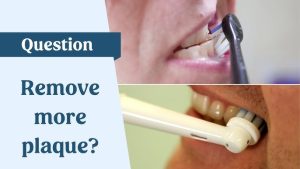
An electric toothbrush is more than just a gadget; it’s an effective tool that can revolutionize your oral hygiene routine. Over the last decade, these devices have become a household essential due to their efficiency in maintaining plaque-free teeth. Plaque, a sticky film of bacteria, is the primary cause of cavities, gum diseases, and bad breath. However, studies reveal that electric toothbrushes are remarkably better at reducing plaque compared to manual alternatives.
This blog explores the many ways electric toothbrushes help reduce plaque effectively, supported by data and trends. By the end, you’ll understand why making the switch to an electric toothbrush is a decision your teeth will thank you for.
The Proven Efficacy of Electric Toothbrushes in Fighting Plaque
Numerous clinical trials consistently highlight the superior effectiveness of electric toothbrushes. Research illustrates that electric toothbrushes can reduce plaque by up to 21% more than manual toothbrushes after three months of usage. These results are attributed to their advanced mechanisms and consistent brushing performance, which manual brushing often fails to match.
Additionally, electric toothbrushes are equipped to clean those hard-to-reach areas like the back molars or along the gumline, where plaque frequently builds up. By targeting these challenging areas more precisely, they ensure a comprehensive cleaning experience.
Key Features That Make Electric Toothbrushes More Efficient
Oscillating/Rotating Movements
One of the most significant features of electric toothbrushes is their oscillating and rotating brushing action. These rapid micro-movements are designed to break up and sweep away plaque faster than manual brushes. While manual brushing relies entirely on personal effort to control the motion and pressure, electric toothbrushes use consistent mechanical movements that guarantee a thorough clean every time.
Timed Brushing
Dental professionals recommend brushing for a full two minutes to effectively remove plaque. However, most people fall short of this duration when using a manual toothbrush. Electric toothbrushes come with built-in timers that automatically ensure you brush for the recommended duration. This consistency over time leads to reduced plaque build-up and healthier gums.
Pressure Sensors
Excessive brushing pressure can erode enamel or harm the gums, leading to issues like sensitivity and receding gums. Electric toothbrushes feature pressure sensors that warn or stop when too much force is applied. With controlled pressure, the brushing process not only reduces plaque effectively but also protects the gums from unnecessary damage.
Brushing Modes for Different Needs
Whether you need a gentle brushing mode for sensitive teeth or a more powerful one for tough plaque, electric toothbrushes are customizable to cater to different oral hygiene needs. This versatility enhances their ability to target and remove plaque effectively across various user requirements.
Benefits of Using Electric Toothbrushes for Plaque Control
Consistency in Brushing Technique
Manual brushing often varies between individuals. Differences in technique, brushing angles, and duration significantly influence the amount of plaque that is removed. Electric toothbrushes eliminate this variance with their standardized, automated brushing patterns. They enforce proper technique effortlessly, making it easier to achieve consistent, high-quality cleaning with each use.
Reaches Beyond the Surface
Plaque tends to accumulate in tight spaces between teeth and deep along the gumline, areas that manual brushes often miss. Studies have reported that electric toothbrushes are significantly better at cleaning interproximal areas (spaces between teeth) due to their advanced brush head design. This helps reduce not only plaque but also the risks of cavities and gum infections in these hard-to-reach spots.
Reduces Human Error
Brushing your teeth may seem simple, but it’s easy to miss key dental hygiene practices like covering all areas evenly or brushing for the full recommended time. Electric toothbrushes reduce human error thanks to features like quadrant reminders, which prompt users to spend equal time brushing each section of the mouth.
Removes Stains and Polishes Teeth
Over time, plaque can harden into tartar, which often traps stains from food and drinks like coffee, tea, or wine. Some electric toothbrush models offer polishing modes that help remove surface stains while reducing plaque. This dual benefit adds to their appeal as a comprehensive oral hygiene solution.
Encourages Better Oral Care Habits
The advanced technology of electric toothbrushes makes brushing feel less like a chore and more like a fun routine. Many users report they are more likely to brush twice daily for the full two minutes when using an electric toothbrush, further contributing to better oral health and reduced plaque.
Statistics Supporting the Use of Electric Toothbrushes
The growing popularity of electric toothbrushes isn’t merely a trend but a reflection of their proven benefits. Key statistics include:
- People using electric toothbrushes consistently enjoy 11% less gum disease compared to those who use manual brushes.
- A study published in the Journal of Clinical Periodontology indicates a long-term decrease of up to 22% in gum recession and 19% less tooth decay with electric toothbrush usage.
- Electric toothbrush owners are more likely to brush twice daily compared to manual toothbrush users, resulting in superior preventative care over time.
These numbers make a compelling case for adopting electric toothbrushes as part of your oral hygiene routine.
Common Myths About Electric Toothbrushes Debunked
Despite their growing acceptance, there are several misconceptions about electric toothbrushes. Here are some clarified truths:
- “They’re too harsh on teeth and gums.” Many electric toothbrushes are equipped with pressure sensors to prevent abrasive brushing.
- “They’re complicated to use.” Modern electric toothbrushes are designed for ease of use, often featuring intuitive controls and helpful guidance for beginners.
- “They’re only for people with poor manual skills.” While they’re beneficial for those with limited dexterity, the advantages of electric toothbrushes apply universally, regardless of age or skill level.
Shaping the Future of Oral Hygiene
The rate of innovation in oral care technology shows no sign of slowing down. With newer electric toothbrush models incorporating AI features for real-time guidance and smart connectivity for monitoring progress, maintaining a healthy smile is becoming simpler than ever. These advancements not only enhance plaque control but also foster a closer relationship between users and their oral hygiene routines.
Early adopters of this technology are setting a benchmark for the future, where efficient brushing habits and cutting-edge devices work hand in hand to make dental visits less about treatment and more about prevention.


