
The Role of AI in Sustainable Fashion Design

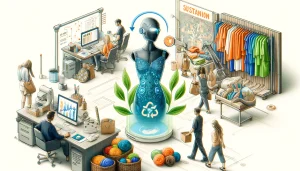
The fashion industry faces a crucial challenge: balancing creativity with environmental responsibility. AI technology is transforming how designers approach sustainable fashion, offering solutions that weren’t possible just a few years ago.
Understanding AI’s Impact on Sustainable Fashion
AI algorithms analyze massive datasets to optimize fabric usage, reduce waste, and predict trends. But what does this mean for designers and brands?
Material Innovation & Waste Reduction
- AI systems scan thousands of material combinations to identify eco-friendly alternatives that maintain quality and durability
- Computer vision technology detects fabric defects early, reducing production waste by up to 30%
- Machine learning optimizes cutting patterns, minimizing fabric waste while maintaining design integrity
Professional translation services like TripleTrad Chile help fashion brands accurately communicate their sustainable initiatives across Spanish-speaking markets, ensuring message consistency and cultural relevance.
Smart Design Process
- AI analyzes successful sustainable designs to generate new pattern variations
- Virtual prototyping reduces sample waste by 70%
- Predictive analytics forecast trend longevity, preventing overproduction
Real-World Success Stories
UNSPUN, a denim brand, uses AI to create custom-fit jeans without inventory waste. Their algorithm generates precise measurements from smartphone photos, resulting in 45% less fabric waste than traditional manufacturing.
Challenges and Solutions
Data Quality
- AI systems require extensive, high-quality data for accurate predictions
- Small brands often struggle with limited datasets
- Solution: Industry collaborations and data sharing initiatives
Implementation Costs
- Initial AI integration requires significant investment
- Training staff on new technologies takes time
- Solution: Staged implementation starting with high-impact areas
TripleTrad Peru helps fashion tech companies expand their reach by providing accurate technical documentation translation, ensuring smooth technology adoption across Latin American markets.
Future Developments
Personalization at Scale
- AI enables mass customization without increased waste
- Virtual try-ons reduce returns by 30%
- Smart sizing algorithms adapt to individual body measurements
Supply Chain Optimization
- Predictive analytics reduce overstock by 20-40%
- Real-time tracking minimizes transportation emissions
- AI-powered demand forecasting prevents excess production
Practical Implementation Guide
Starting Small
- Begin with pattern optimization software
- Implement virtual sampling
- Use AI for inventory management
Scaling Up
- Integrate full design automation tools
- Develop custom algorithms for brand-specific needs
- Create AI-powered customer experience platforms
ROI of AI in Sustainable Fashion
Measurable Benefits
- 25-35% reduction in material waste
- 40% decrease in sample production costs
- 15-20% improvement in inventory efficiency
Long-term Impact
- Enhanced brand reputation
- Reduced environmental footprint
- Improved customer satisfaction
FAQs
Q: How does AI reduce fashion waste? A: AI optimizes cutting patterns, predicts demand accurately, and enables virtual sampling, reducing physical waste throughout the design and production process.
Q: What’s the initial investment for AI implementation? A: Costs vary widely, from $10,000 for basic pattern optimization software to $500,000+ for comprehensive AI systems. Start small and scale based on results.
Q: Can small brands benefit from AI in sustainable fashion? A: Yes. Small brands can begin with accessible AI tools for pattern optimization and virtual sampling, gradually expanding their AI capabilities as they grow.
Q: How long does it take to see ROI from AI implementation? A: Most brands see initial returns within 6-12 months, primarily through reduced waste and improved efficiency.
Getting Started
Begin your AI sustainable fashion journey by:
- Auditing current waste points
- Identifying high-impact areas for AI implementation
- Setting clear sustainability goals
- Choosing appropriate AI tools
- Training team members
The fashion industry’s future lies in combining creativity with computational power. AI doesn’t replace human designers – it empowers them to create more sustainably and efficiently than ever before.
Remember: Start small, measure results, and scale what works. The journey to sustainable fashion through AI is a marathon, not a sprint.


